
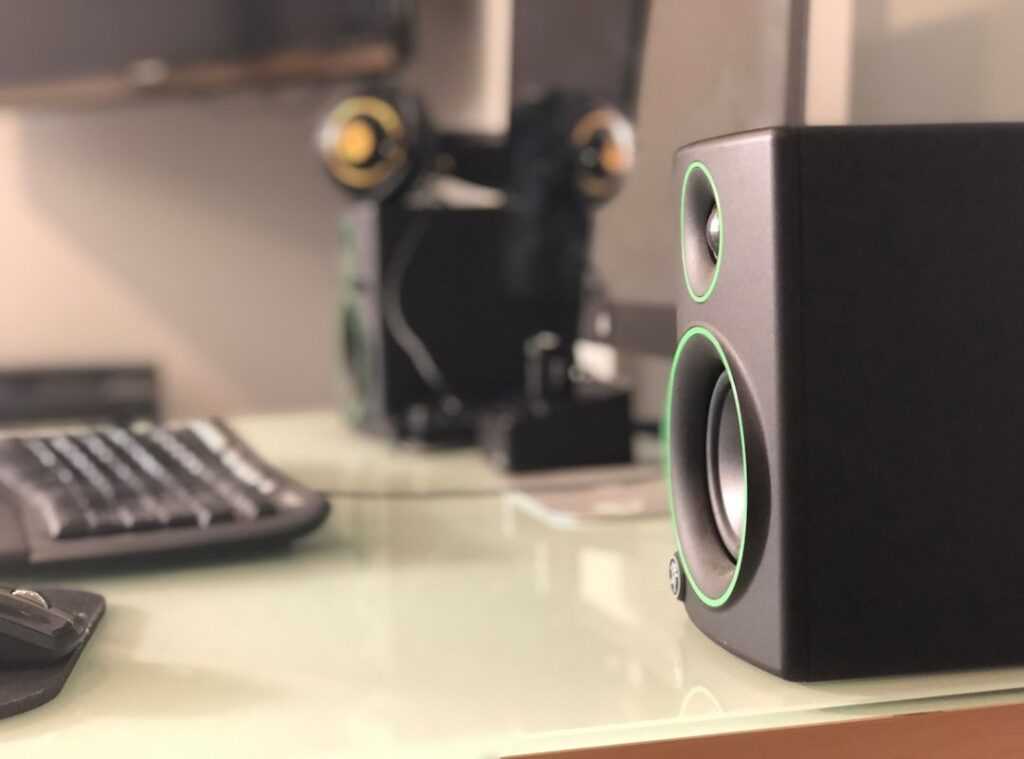
Feeling lost in the sea of gear and advice for building your home recording studio? You’re not alone. I get it.
There’s a lot of noise out there, and it’s easy to drown in it. This article cuts through the chaos. I’ll guide you through setting up an in-home audio production setup that isn’t just a pile of shiny gadgets.
It’s about creating a space that grows with you. You want something solid, right? But it should also be flexible (who knows where your skills will take you?).
I’ve spent years immersed in modern studio tech and workflow innovations. Trust me, I know what works. This isn’t about listing the latest products.
It’s about smart investments and system combo. By the end, you’ll have a roadmap to future-proof your audio setup. Excited yet?
The Studio’s Brain: Computer, DAW, and Interface
Ever wonder what holds a home recording studio together? It’s the computer, DAW, and audio interface. This trio is like the central nervous system.
Overlook them, and you’re in for some headaches.
Let’s start with the computer. You might think raw power is everything, but hold on. Stability matters more, especially for beginners.
You don’t need the latest monster machine. Focus on key specs: RAM, CPU, and an SSD for storage. Macs and PCs both do the job well.
It’s about what feels right for you.
The DAW is your creative cockpit. It’s where the magic happens. Ableton Live, Logic Pro, FL Studio (each) brings something unique to the table.
Live is fantastic for electronic music and live performances. Logic? Great for singer-songwriters.
FL Studio’s flexibility is its charm. Find what clicks with your workflow.
Now, the audio interface. It’s the translator between analog and digital sound. This is key.
Without it, your home studio is just a room with gear. Latency? It’s the delay in sound processing (the less, the better).
Preamps boost your mic signals. I/O, or inputs/outputs, determines the number of devices you can connect. A 2-input interface is versatile enough for most setups.
For those diving deeper into sound quality, check out High Resolution Audio Essentials Enthusiasts. Trust me, it’s worth the read if you’re serious about your audio game.
So, are you ready to build your home recording studio’s brain? You won’t regret it.
Capturing Creativity: Sound and Control
In a home recording studio, the tools you choose to capture sound and control digital instruments can make or break your creativity. Microphones, let’s be honest, are where it all starts. Condenser mics are the go-to for vocals and acoustic instruments.
For beginners, start with a versatile large-diaphragm condenser mic. It’s like the of mics (and yes, I know I said no Swiss Army knives, but this is important). They capture sound with clarity and are generally forgiving.
They’re detailed, sensitive, and almost like that friend who hears everything at a party. Changing mics, on the other hand, are the tough ones (durable) and perfect for loud sources. They’re your buddy at a rock concert who won’t flinch at the decibels.
Now, MIDI controllers. They aren’t just keyboards. Think of them as data entry devices for modern music production.
They control software synths, samplers, and drum machines, turning your computer into a full orchestra. The size matters, obviously. A 25-key model might be your best friend if space is tight.
But if you’ve got room and playing chops, a 49-key option opens up possibilities.
With all these choices, setting up your studio can feel overwhelming. Luckily, this breakdown simplifies it.
So, what’s the takeaway? Pick tools that suit your space and skills. Your first microphone sets the tone (literally).
And remember, MIDI controllers are all about flexibility and fit. Ready to capture your creativity? Let’s get to it.
The Unsung Hero: Master Your Room’s Acoustics
Let’s cut to the chase: your room is the most important piece of gear you own. Surprised? You shouldn’t be.
In a home recording studio, poor acoustics can trash your mixes faster than you can say “echo.” Ever notice how mixes sound great in your room but fall flat elsewhere? Blame those pesky echoes and bass buildups.
So, how do we fix this without breaking the bank? Sure, foam is a start, but it’s not a magic bullet. Instead, consider DIY acoustic panels.
You can make them using rockwool or mineral wool. These materials are affordable and more effective at taming unruly frequencies. Trust me, this simple upgrade will change your sound quality.
Now, let’s talk tech. Room correction software like Sonarworks SoundID Reference can work wonders. It electronically flattens your room’s frequency response.
It’s like giving your room a clean bill of health. Modern problems need modern solutions, right?
And here’s a wild thought: a well-treated room with average speakers beats an untreated room with fancy ones. Surprised again? It’s true.
The room’s treatment is a game-changer.
Want to dive deeper? You can learn more about achieving that perfect balance. This guide gives you all the tips you need.
Your mixes will thank you.
The Smart Studio: AI-Driven Home Production
I’ve seen the future of the home recording studio, and it’s sleek, fast, and downright smart. It’s all about leveraging AI and software to cut down on the tedious bits, so we can focus on what we love (creating.) Ever heard of AI-powered mixing assistants like iZotope Neutron’s Assistant or Sonible’s smart:EQ? These tools analyze your tracks and suggest EQ and compression starting points.

It’s like having a sound engineer whispering in your ear.
Now, let’s talk mastering. AI mastering services like LANDR or iZotope Ozone’s Master Assistant save us precious time by delivering a polished master in minutes. If you’re skeptical (I was too), think of it as a shortcut, not a cheat.
These tools take your mix and raise it to a professional standard fast.
But it’s not just about mixing and mastering. AI-based stem separators, like Lalal.ai, are game changers. They break down tracks into individual components, allowing us to remix like a pro.
And virtual session musicians? They’re filling in the gaps for solo producers who might lack certain skills.
These aren’t replacements for human creativity. They’re collaborators, enhancing our workflow and speeding up the process. It’s like having an entire team at your disposal, without the hassle of coordinating schedules.
Does this mean you can ditch your skills? Absolutely not. But it sure makes achieving that pro-level sound a whole lot faster.
From Bedroom to Pro: Gear That Grows With You
Let’s get real. You’re worried about outgrowing your gear too fast, right? Starting a home recording studio can feel daunting (been there, done that).
But I promise, your initial setup is just the beginning.
Start with the essentials. A 2-in interface, a condenser mic, a decent DAW, solid headphones, and some basic acoustic treatment. These aren’t just tools.
They’re your foundation. But what if you’re ready to level up?
This is where you move to the Creator Upgrade. Add a pair of studio monitors next. Trust me, they make a difference.
A changing mic? That’s a smart add. And think about a premium plugin suite.
It’s like giving your creativity a turbo boost.
Ready for the big leagues? Let’s talk about the Pro-Level Leap. Go for a more solid audio interface.
Add high-end monitors or even outboard gear. The initial setup wasn’t a dead end. It’s a launch pad.
So, don’t stress. The journey from bedroom to pro is not just flexible. It’s a clear path to keep your sound growing with you.
Your Sound Starts Here
You’ve got a clear path now. Building your home recording studio isn’t a daunting task anymore. Remember the confusion you felt?
The endless options? Now you know better. Prioritize a solid foundation, embrace smart tech, and forget about just splurging on gear.
It’s about making smart choices, not just expensive ones.
So, what’s next? Start evaluating your space. Choose your digital foundation.
Your sound’s future starts today, not tomorrow. Don’t wait. Dive in.
Your studio, your rules. Ready to turn that inspiration into reality? Start now.
Transforming your space into a studio is just a decision away.

 Oscariono Ortega writes the kind of innovation alerts content that people actually send to each other. Not because it's flashy or controversial, but because it's the sort of thing where you read it and immediately think of three people who need to see it. Oscariono has a talent for identifying the questions that a lot of people have but haven't quite figured out how to articulate yet — and then answering them properly.
They covers a lot of ground: Innovation Alerts, Expert Breakdowns, Device Integration Hacks, and plenty of adjacent territory that doesn't always get treated with the same seriousness. The consistency across all of it is a certain kind of respect for the reader. Oscariono doesn't assume people are stupid, and they doesn't assume they know everything either. They writes for someone who is genuinely trying to figure something out — because that's usually who's actually reading. That assumption shapes everything from how they structures an explanation to how much background they includes before getting to the point.
Beyond the practical stuff, there's something in Oscariono's writing that reflects a real investment in the subject — not performed enthusiasm, but the kind of sustained interest that produces insight over time. They has been paying attention to innovation alerts long enough that they notices things a more casual observer would miss. That depth shows up in the work in ways that are hard to fake.
Oscariono Ortega writes the kind of innovation alerts content that people actually send to each other. Not because it's flashy or controversial, but because it's the sort of thing where you read it and immediately think of three people who need to see it. Oscariono has a talent for identifying the questions that a lot of people have but haven't quite figured out how to articulate yet — and then answering them properly.
They covers a lot of ground: Innovation Alerts, Expert Breakdowns, Device Integration Hacks, and plenty of adjacent territory that doesn't always get treated with the same seriousness. The consistency across all of it is a certain kind of respect for the reader. Oscariono doesn't assume people are stupid, and they doesn't assume they know everything either. They writes for someone who is genuinely trying to figure something out — because that's usually who's actually reading. That assumption shapes everything from how they structures an explanation to how much background they includes before getting to the point.
Beyond the practical stuff, there's something in Oscariono's writing that reflects a real investment in the subject — not performed enthusiasm, but the kind of sustained interest that produces insight over time. They has been paying attention to innovation alerts long enough that they notices things a more casual observer would miss. That depth shows up in the work in ways that are hard to fake.