
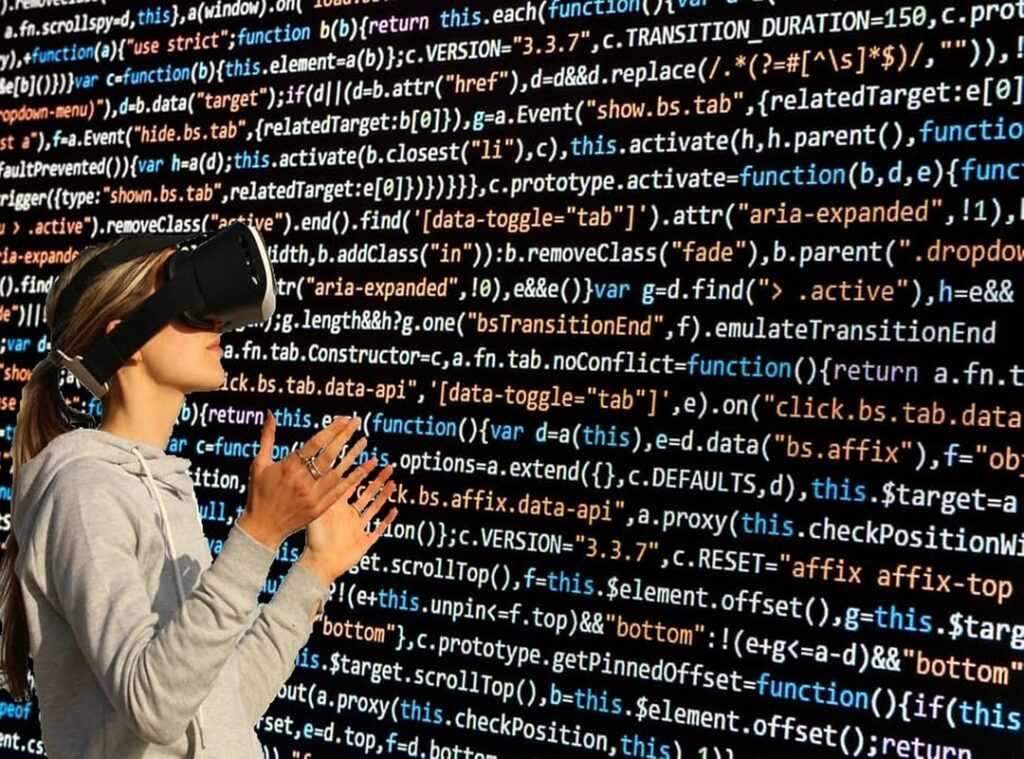
Virtual reality isn’t just for gamers. It’s frustrating how often it’s pigeonholed as just entertainment. But what about the real-world, virtual reality practical uses?
Many businesses see the buzz but get stuck figuring out how VR translates into actual benefits or ROI. This guide isn’t about the hype. It’s about clarity.
I’ll show you proven, impactful VR applications in industries that genuinely matter (work,) health, and commerce. Skeptical? That’s fair.
But this isn’t just talk. It’s a straightforward overview. You’ll walk away with solid examples of VR reshaping reality, not just the virtual kind.
Curious? Let’s cut through the noise.
Virtual Reality: Transforming Healthcare One Simulation at a Time
Let’s talk about how virtual reality is shaking up healthcare. Imagine a world where surgeons can practice complicated procedures on virtual patients. That’s happening now.
Instead of waiting for the perfect teaching moment in a live surgery (which might never come), doctors use VR to create safe, controlled, and repeatable scenarios. They can practice until they get it right. No real-world consequences here.
But here’s the kicker. VR isn’t just for surgeries. It’s a game-changer for mental health, too.
Think about exposure therapy for PTSD or phobias. VR lets patients face their fears in a safe environment. Afraid of flying?
You can virtually take off, without ever leaving the ground. It’s therapy, but without the risk.
And then there’s pain management. Chronic pain is a beast. But VR can help distract patients from it.
Immersive experiences pull them into a new world, away from discomfort. Physical rehab gets a boost, too. Ever tried gamifying physical therapy exercises?
Patients engage more when their exercises feel like a game rather than a chore.
These practical uses of VR in healthcare blow traditional methods out of the water. It’s like we’re stepping into the future. If you’re curious about how tech is reshaping other fields, check out Blockchain Beyond Cryptocurrency Real World Uses.
Who knew tech could be this big?
Transforming Learning: Beyond the Classroom
Here’s a bold thought: virtual reality is rewriting the rules of education and corporate training. Forget the old ways (endless lectures and clunky textbooks). Picture this: airline pilots, firefighters, even heavy machinery operators, all training in high-risk scenarios without any actual danger.
VR can simulate these situations, giving trainees a safe space to learn from mistakes without real-world risks.
Now, let’s talk about corporate training. Having a tough conversation at work? Or maybe you’re gearing up for a big sales pitch?
With AI-powered avatars, you can practice these interactions and get real-time feedback. It’s like having a personal coach who’s always available. Think about how much more effective learning becomes when you can repeat tough scenarios until you nail it.
Students aren’t left behind in this revolution either. Imagine taking a virtual field trip to the Colosseum or diving inside the human circulatory system. No expensive lab equipment needed, just an immersive experience that brings learning to life.
You see, traditional methods just can’t match this level of engagement and practical application.
When we talk about “virtual reality practical uses,” these aren’t far-fetched fantasies. They’re happening now. And they’re making education and training more engaging, accessible, and, yes, unforgettable.
So why stick to outdated methods when the future is already here?
Building the Future: Engineering and Design in VR
Virtual reality is no longer just a sci-fi fantasy. It’s a game-changer for engineering and design. Picture this: an engineer can build, walk around, and interact with a full-scale digital twin of a car or aircraft.
You can tweak designs and make ergonomic adjustments in real-time. No need for costly physical prototypes. Isn’t that a massive leap forward?
In the automotive and aerospace industries, this tech is a lifesaver. You cut down on errors and speed up innovation. When you can see and feel the design, making informed decisions gets a lot easier.
But it’s not just about transportation. Architectural visualization (ArchViz) is another area where VR shines. Architects and clients can “walk through” a building before laying a single brick.
You experience the space, lighting, and materials firsthand. This means fewer surprises and more satisfied clients.
And let’s not forget industrial applications. Companies are using VR for factory layout planning. Imagine optimizing an assembly line or training workers on new equipment in a virtual replica of the factory floor.
It’s safer, more fast, and frankly, just smart. The possibilities for virtual reality practical uses are endless.
Looking for more ways tech is weaving into our daily lives? Check out augmented reality daily decision making. It’s all about making informed choices with the help of augmented and virtual reality.
Ready to embrace this future? I know I am.
Retail Revolution: Virtual Reality’s New Role
You know, virtual reality isn’t just for gamers anymore. It’s stepping into retail, reshaping how we shop and experience brands. It’s no longer just a flashy gimmick.
It’s becoming a solid tool for driving sales and loyalty. Ever imagined placing IKEA’s virtual furniture in your living room? It’s happening.
These virtual showrooms let you see products true-to-scale, right from your couch.
And it’s not just furniture. Audi lets you configure and explore cars in VR, giving you a taste of what it’s like to sit behind the wheel. This isn’t some sci-fi future.
It’s here. It’s now. And it’s changing how we connect with brands.
The emotional pull of immersive storytelling is hard to resist. Imagine a travel agency using VR to take you to a dreamy beach or a rugged mountaintop before you even book a ticket. It’s an emotional hook, a way to make you feel the destination before you arrive.
Virtual reality practical uses are expanding faster than you think. And if you’re not prepping for this next wave, you’ll miss out. Retailers, get on board or get left behind.
Then there’s ‘v-commerce.’ Entire virtual stores where you can browse and interact with products in 3D. No flat web pages to squint at. It’s a complete retail revolution.
The future of shopping is immersive, interactive, and right around the corner. Are you ready for it?
Remote Collaboration: The VR Leap Forward
I’ve seen virtual reality change how we work. It’s not just about escaping into digital worlds anymore. It’s about real presence.
You know, making those scattered team meetings feel less like disjointed video calls and more like you’re all truly there. Imagine meeting in virtual rooms, as avatars, sketching on 3D models or brainstorming on virtual whiteboards (it’s not science fiction). It’s a game changer for remote onboarding and training too.
New hires can get a real taste of company culture without stepping foot in an office.
But here’s the kicker: VR isn’t just a tool. It’s redefining what “being present” means in the workplace. Are you ready to embrace these virtual reality practical uses?
Because they’re here to stay.
VR: Beyond the Toy Box
I get it. Virtual Reality used to feel like a gimmick. But look at the virtual reality practical uses we’ve explored.
From surgery rooms to factory floors, VR’s impact is real. It’s more than a game. It’s a tool that simulates reality, offering risk-free training and crystal-clear visualization.
So, what’s next for you? Consider VR’s potential in your field. Adapt these innovations to tackle your challenges.
Don’t sit on the sidelines. Dive into this tech wave and explore how it transforms your industry. Ready to leap ahead?
Let VR turn your “what ifs” into “why nots.”

 Oscariono Ortega writes the kind of innovation alerts content that people actually send to each other. Not because it's flashy or controversial, but because it's the sort of thing where you read it and immediately think of three people who need to see it. Oscariono has a talent for identifying the questions that a lot of people have but haven't quite figured out how to articulate yet — and then answering them properly.
They covers a lot of ground: Innovation Alerts, Expert Breakdowns, Device Integration Hacks, and plenty of adjacent territory that doesn't always get treated with the same seriousness. The consistency across all of it is a certain kind of respect for the reader. Oscariono doesn't assume people are stupid, and they doesn't assume they know everything either. They writes for someone who is genuinely trying to figure something out — because that's usually who's actually reading. That assumption shapes everything from how they structures an explanation to how much background they includes before getting to the point.
Beyond the practical stuff, there's something in Oscariono's writing that reflects a real investment in the subject — not performed enthusiasm, but the kind of sustained interest that produces insight over time. They has been paying attention to innovation alerts long enough that they notices things a more casual observer would miss. That depth shows up in the work in ways that are hard to fake.
Oscariono Ortega writes the kind of innovation alerts content that people actually send to each other. Not because it's flashy or controversial, but because it's the sort of thing where you read it and immediately think of three people who need to see it. Oscariono has a talent for identifying the questions that a lot of people have but haven't quite figured out how to articulate yet — and then answering them properly.
They covers a lot of ground: Innovation Alerts, Expert Breakdowns, Device Integration Hacks, and plenty of adjacent territory that doesn't always get treated with the same seriousness. The consistency across all of it is a certain kind of respect for the reader. Oscariono doesn't assume people are stupid, and they doesn't assume they know everything either. They writes for someone who is genuinely trying to figure something out — because that's usually who's actually reading. That assumption shapes everything from how they structures an explanation to how much background they includes before getting to the point.
Beyond the practical stuff, there's something in Oscariono's writing that reflects a real investment in the subject — not performed enthusiasm, but the kind of sustained interest that produces insight over time. They has been paying attention to innovation alerts long enough that they notices things a more casual observer would miss. That depth shows up in the work in ways that are hard to fake.