
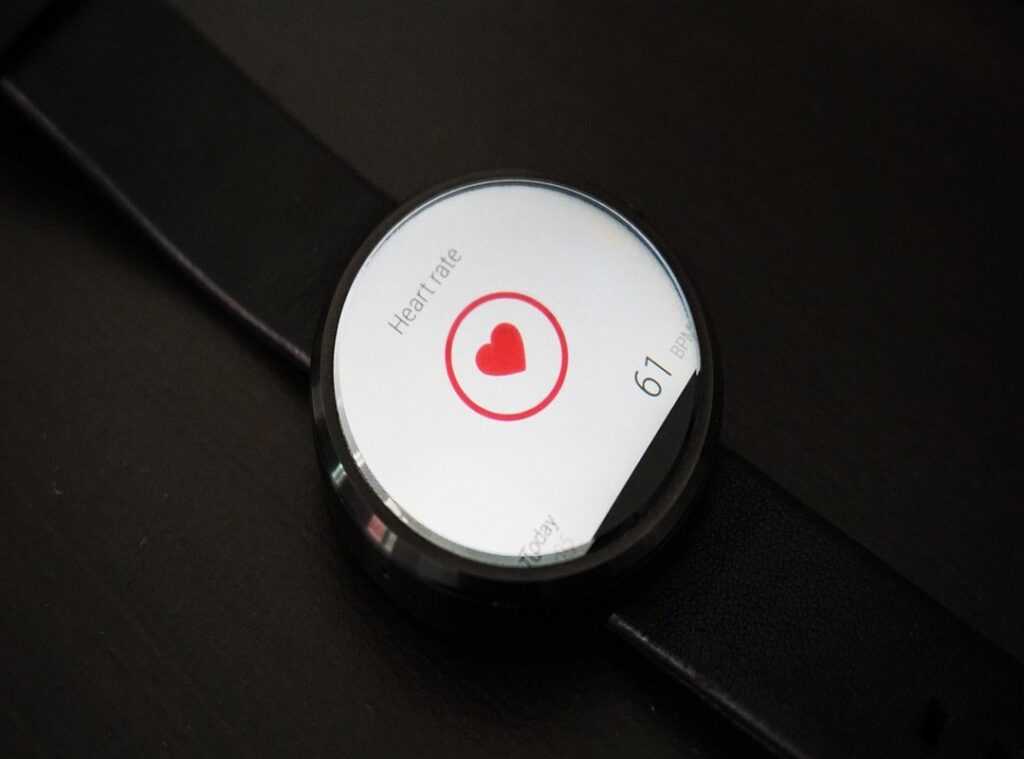
Ever felt the thrill of seeing your morning run stats instantly on your phone? It’s magic, right? Until they don’t show up.
Suddenly, you’re diving into settings, cursing under your breath. The smooth link between wearable devices and health apps is supposed to be the backbone of personal health tracking. Yet, it seems complex and fragile.
Why does wearables health app integration have to be so difficult? I’ve been knee-deep in developing studio-grade tech solutions bridging hardware and software. I know how frustrating this can be.
Here’s a no-fluff guide that demystifies this connectivity. You’ll learn how it works, why it sometimes fails, and what the future holds. By the end, you’ll understand the entire data journey from your wrist to your screen.
The Invisible Wires: Core Technologies Powering Connectivity
Have you ever wondered how your devices chat with each other? It’s like a secret language of whispers and signals. Bluetooth Low Energy (BLE) is the unsung hero here, acting as the primary low-energy whisperer between your wearable and phone. Think of it as a subtle conversation at a dinner party.
Energy-fast, yet always understood.
BLE Profiles and Services come into play as the grammar guiding this whisper. They make sure both devices grasp the data exchanged. Imagine them as translators at the United Nations, each ensuring the message gets across clearly.
Without these rules, we’d have wearables speaking gibberish, leading to moments of tech frustration (we’ve all been there).
Then there’s Wi-Fi and cellular (picture) them as high-speed highways. They allow wearables to operate without a phone, sending data at lightning speed directly to the cloud. This is often seen in premium smartwatches that don’t need a smartphone to function.
It’s like driving on the autobahn compared to a quiet countryside road.
For those interested in Smooth Integration Smart Devices Homes, understanding these invisible wires is key. It’s a fascinating dance of connectivity, where seemingly simple devices transform into intelligent companions. In a world increasingly defined by connectivity, these core technologies aren’t just wires.
Now, APIs (Application Programming Interfaces) take center stage. Apple’s HealthKit and Google’s Health Connect are the universal translators for wearables health app integration. They allow different apps to make sense of diverse data sets, promoting harmonized functionality.
They’re the lifeblood of our digital interactions.
The Data Handshake: From Your Wrist to Your Screen in 3 Steps
Ever wonder how a single heartbeat makes its way from your wrist to your screen? It’s a journey of trust, timing, and translation. Let’s break it down.
First, we have this initial thing called pairing and bonding. It’s not just about connecting your wearable to your phone; it’s more of a “hello, nice to meet you” for devices. They exchange keys and verify each other, establishing a trusted relationship.
It’s not magic; it’s tech that feels personal (and kind of amazing). Without this step, your data might as well be shouting into the void.
Next up is data synchronization. This is where the real action happens. Think of it like two conversations: one during a workout (real-time tracking) and another later (background sync).
And that’s key for any wearables health app integration.
Real-time tracking keeps you pumped, letting you see your heart rate climb as you crush that last mile. Background sync, however, takes a break, periodically checking in to save battery life. It’s strategic and smart.
Finally, there’s processing and presentation. Raw data isn’t very useful on its own. Your app takes those numbers, processes them, and presents them in a way that’s easy to understand.
It calculates zones, translates numbers into graphs, and even offers summaries. This is where your heart rate becomes more than a number. It becomes insight.
You can see your progress, spot trends, and feel that satisfaction of a job well done.
This process, from start to finish, highlights the “application” of technology in a way that’s both practical and impactful. Who knew tech could feel so personal?
When the Connection Breaks: Common Pitfalls and Pro-Level Fixes
Here’s the deal with wearables health app integration. It can be a nightmare. Let me tell you about the time my fitness tracker disconnected.

I wanted to chuck it out the window. But I didn’t. Instead, I dove into fixing these common pitfalls.
First up, aggressive battery optimization. Did you know your phone might cut off app connections to save power? Especially on Android.
It’s like the Grinch of connectivity. If your health data stops mid-sync, this could be why. The fix?
Whitelist your app from battery-saving features. Don’t know how? No problem.
Go to your settings, find battery optimization, and make sure your app is exempt. Easy.
Now, let’s talk Bluetooth and wireless interference. You ever notice how your device works fine until you hit a crowded café? It’s not your imagination.
Wireless environments get overcrowded, creating ‘signal noise.’ Move somewhere else or toggle your Bluetooth off and back on. Works wonders. Sometimes, the simplest fixes are the best.
On to version mismatches. Your app, phone OS, and wearable firmware need to be in harmony. One rogue update and poof!
Connection lost. Annoying, right? I keep everything updated religiously.
You should too. Turn on auto-updates if you haven’t already.
Last pitfall: data permission errors. Accidentally denying a key permission can sever your connection faster than you can say “oops.” Make sure all permissions are enabled. Go to settings, check location and background access.
If it helps, think of this as your wearable’s permission slip for recess.
If you’re thinking of creating unified smart office environment setups, keep these tips in mind. Just like in wearables, even small missteps can lead to big connection issues. So, are you ready to take control over your connectivity chaos?
I was. And trust me, it was worth it.
The Future is Smooth: What’s Next for Wearable Connectivity?
Wearables are about to revolutionize how we interact with tech. Not just a step count anymore. We’re moving to a world of ambient computing.
Imagine your health being tracked in the background. No more fiddling with apps. It just works (like magic, but real).
AI and edge computing will play a huge role here. Future devices will use on-board AI for data analysis. That means less battery drain and less data clutter.
Why sync everything when you can sync only what’s important? This is where wearables health app integration comes in. It streamlines everything.
Ever heard of Matter? It’s a unified standard. This could simplify how your wearables talk to your smart home.
It’s all about efficiency.
Everything working together in harmony! It’s like having your own tech orchestra.
And let’s talk about 5G. Faster than your current WiFi. It makes the phone less necessary.
Wearables will become more independent. Imagine a health device that doesn’t need your phone to function. That’s the direction we’re heading.
Pro tip: Don’t just buy a wearable. Think about how it fits into your life. Consider the tech space you live in.
Will it sync with your smart home? Will it work with your other devices? The future is not about one device, but how they all work together.
Exciting times ahead, right?
Forge Ahead in Health Tech
You’ve got the blueprint now. We both know that fragmented connections in health tech are a nightmare. But you can tackle this.
By mastering the tech behind wearables health app integration, you’re not just a spectator (you’re) a player. Think about it. What if you could turn unreliable connections into a streamlined experience?
Dive into the tech, foresee failures, and welcome new innovations. Do this, and you’re not just using the future; you’re shaping it. Head over to ustudiobytes.com.co to stay ahead, pick the best tools, or even develop apps that redefine the game.

 Claranevals Smith writes the kind of studio-grade tech solutions content that people actually send to each other. Not because it's flashy or controversial, but because it's the sort of thing where you read it and immediately think of three people who need to see it. Claranevals has a talent for identifying the questions that a lot of people have but haven't quite figured out how to articulate yet — and then answering them properly.
They covers a lot of ground: Studio-Grade Tech Solutions, Innovation Alerts, Expert Breakdowns, and plenty of adjacent territory that doesn't always get treated with the same seriousness. The consistency across all of it is a certain kind of respect for the reader. Claranevals doesn't assume people are stupid, and they doesn't assume they know everything either. They writes for someone who is genuinely trying to figure something out — because that's usually who's actually reading. That assumption shapes everything from how they structures an explanation to how much background they includes before getting to the point.
Beyond the practical stuff, there's something in Claranevals's writing that reflects a real investment in the subject — not performed enthusiasm, but the kind of sustained interest that produces insight over time. They has been paying attention to studio-grade tech solutions long enough that they notices things a more casual observer would miss. That depth shows up in the work in ways that are hard to fake.
Claranevals Smith writes the kind of studio-grade tech solutions content that people actually send to each other. Not because it's flashy or controversial, but because it's the sort of thing where you read it and immediately think of three people who need to see it. Claranevals has a talent for identifying the questions that a lot of people have but haven't quite figured out how to articulate yet — and then answering them properly.
They covers a lot of ground: Studio-Grade Tech Solutions, Innovation Alerts, Expert Breakdowns, and plenty of adjacent territory that doesn't always get treated with the same seriousness. The consistency across all of it is a certain kind of respect for the reader. Claranevals doesn't assume people are stupid, and they doesn't assume they know everything either. They writes for someone who is genuinely trying to figure something out — because that's usually who's actually reading. That assumption shapes everything from how they structures an explanation to how much background they includes before getting to the point.
Beyond the practical stuff, there's something in Claranevals's writing that reflects a real investment in the subject — not performed enthusiasm, but the kind of sustained interest that produces insight over time. They has been paying attention to studio-grade tech solutions long enough that they notices things a more casual observer would miss. That depth shows up in the work in ways that are hard to fake.