Physical assets are no longer managed effectively through manual checks and static reports alone. A digital twin is a dynamic, virtual representation of a physical asset, system, or process—constantly updated with real-time data. Without this level of insight, managing complex infrastructure, devices, or operations becomes inefficient, reactive, and costly. That’s where digital twin applications come in. By creating live, data-rich models, they enable monitoring, simulation, and optimization before problems escalate. In this guide, you’ll discover the essential categories of software used to build and power digital twins—and how they work together to bridge the physical and digital worlds.
The Three Pillars of Digital Twin Software
No single tool creates a digital twin. It’s an ecosystem. Think of it like filmmaking: you need cameras, editing software, and analytics to measure audience impact (one app won’t cut it).
Here are the three core pillars:
-
Modeling & Visualization
This is the static 3D representation of your asset—a factory floor, wind turbine, or smart building. Start by importing CAD files into platforms like Autodesk or Blender to create a precise geometric base. -
Data Integration & IoT
This layer connects sensors to the model. Use IoT gateways (like Azure IoT Hub) to stream temperature, vibration, or usage data in real time. Pro tip: standardize data formats early to avoid integration headaches later. -
Simulation & Analytics
These engines run predictive models and “what-if” scenarios. For example, simulate machine failure based on vibration spikes to schedule maintenance before breakdown.
Strong digital twin applications combine all three—model, connect, simulate—into one continuous feedback loop.
Layer 1: Crafting the Virtual Blueprint with Modeling Applications
Layer 1 is where the physical world becomes digital. Modeling applications create the foundational visual and structural representation of an object—its geometry, materials, dimensions, and relationships. Think of it as the master blueprint before a single bolt is tightened (or a single brick is laid).
Where It Starts: CAD and BIM
CAD (Computer-Aided Design) focuses on precise geometry—every curve, tolerance, and joint. BIM (Building Information Modeling) goes further, embedding data about materials, costs, and lifecycle performance into structures.
Some argue that advanced simulation tools matter more than modeling. But without accurate source geometry, simulations are guesswork. Garbage in, garbage out (yes, engineers still say that).
Leading tools include:
- Autodesk Suite (Fusion 360, Revit): Ideal for manufacturing and architecture requiring tight geometric control.
- Dassault Systèmes (CATIA, SOLIDWORKS): Widely used in aerospace and automotive for complex assemblies.
- Bentley Systems (MicroStation): Built for infrastructure like bridges and highways.
Practical tip: Start by defining constraints—load limits, materials, and tolerances—before modeling. This prevents costly redesigns later.
For example, an automotive team designing a suspension arm in SOLIDWORKS can simulate stress tolerances early, preparing the model for downstream digital twin applications without rebuilding geometry.
Layer 2: Breathing Life into the Model with IoT Platforms
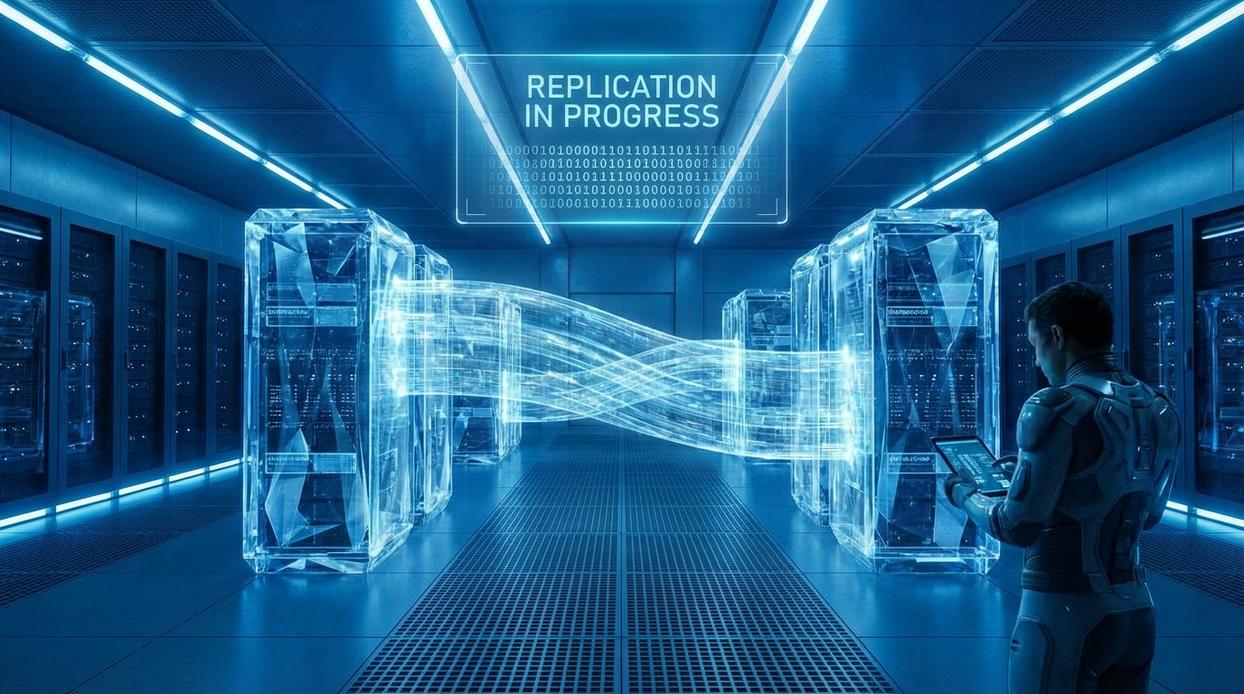
If Layer 1 is the body (sensors, devices, machines), then Layer 2 is the central nervous system. IoT platforms collect, ingest, and contextualize real-time signals—temperature spikes, pressure changes, vibration anomalies—and transform raw data into structured insight.
Data ingestion refers to pulling high-volume, high-velocity data streams into a unified environment. Normalization means converting inconsistent formats (different units, protocols, or time stamps) into standardized structures. Without normalization, one sensor speaks Celsius while another “thinks” in Fahrenheit (and chaos quietly follows).
From there, advanced platforms build a data-graph—a relational map that links assets, environments, and behaviors. Instead of isolated data points, you get connected intelligence. This is what powers meaningful digital twin applications.
Let’s compare leading options side-by-side:
- Microsoft Azure Digital Twins: A full PaaS environment designed for modeling entire ecosystems—buildings, campuses, cities. Ideal when relationships between assets matter as much as the assets themselves.
- AWS IoT TwinMaker: Built for speed and integration. It connects existing AWS data services quickly, making it practical for factories and industrial equipment already in the AWS ecosystem.
- ThingWorx (PTC): Focused on industrial environments. It excels at bridging operational technology (OT) and IT systems—perfect when legacy machinery needs to communicate with modern analytics tools.
Some argue platform choice doesn’t matter—”data is data.” But platform architecture determines scalability, integration depth, and long-term flexibility. Choosing Azure vs. AWS vs. ThingWorx isn’t branding—it’s infrastructure strategy.
Pro tip: Select based on existing cloud commitments and OT complexity, not feature lists alone.
For broader infrastructure implications, see how blockchain technology is used beyond cryptocurrency.
Layer 3: Unlocking Predictive Power with Simulation Engines
At this stage, your digital twin stops being a passive dashboard and starts acting like a crystal ball (minus the mystic fog). Simulation engines transform raw asset data into foresight. In simple terms, a physics-based model uses mathematical equations to replicate how real-world systems behave, while AI/ML (artificial intelligence and machine learning) detect patterns and improve predictions over time. Together, they simulate future performance, stress-test extreme scenarios, and predict maintenance needs before failures occur.
For example, Ansys Twin Builder enables engineers to create simulation-driven twins that optimize product health and performance. Siemens Simcenter combines advanced testing with predictive analytics, integrating live asset data for deep scenario analysis. Meanwhile, MATLAB & Simulink support multi-domain simulations and control algorithm development, making them ideal for complex systems like autonomous vehicles or smart grids.
Some argue simulation tools are overkill—expensive, complex, and resource-heavy. Fair point. However, the cost of unplanned downtime or product failure often dwarfs the investment (just ask any factory manager).
If you’re implementing digital twin applications, start with a clearly defined failure mode and build simulations around that. Pro tip: validate models with historical data before trusting forward predictions. Think “Minority Report,” but for machines.
Assembling Your Digital Twin Ecosystem
Building a digital twin is not a one-time setup—it’s the strategic integration of specialized tools for modeling, data connectivity, and advanced analysis. When these elements work together, digital twin applications evolve from static representations into dynamic, predictive assets that actively reduce downtime, streamline operations, and unlock new innovation opportunities.
If your goal was to understand how to turn complex systems into intelligent, data-driven environments, you now have the blueprint. The real impact comes from choosing the right mix of technologies tailored to your assets, industry demands, and business objectives. Start aligning your tools today to create a seamless, real-time bridge between the physical and digital worlds.